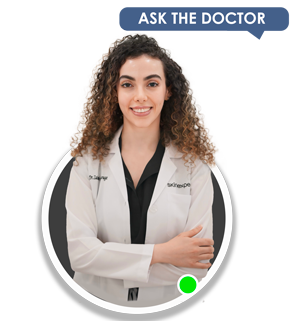
More than 12,000+ successful procedures in 17 years





Leading Hair Transplant Team

Advanced FUE Technology

Comprehensive After Care Support

Free Consultation with Experts


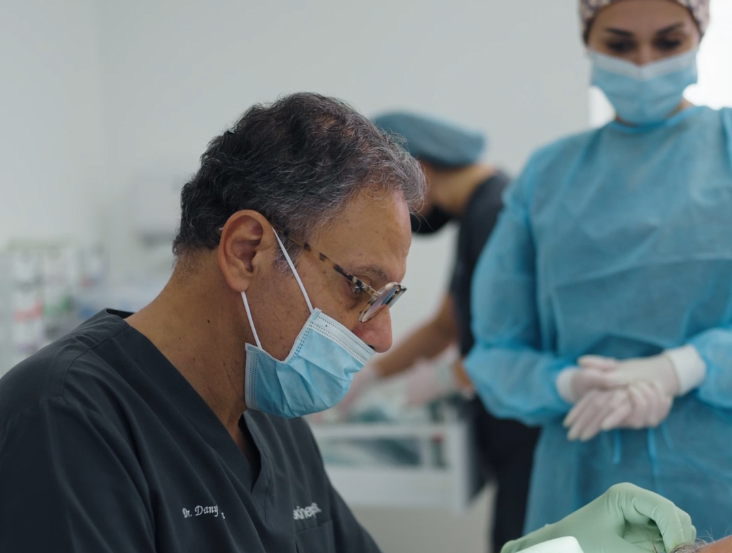
Leading Team
Board-certified surgeons with extensive experience in both European and Middle Eastern hair types and techniques
View team
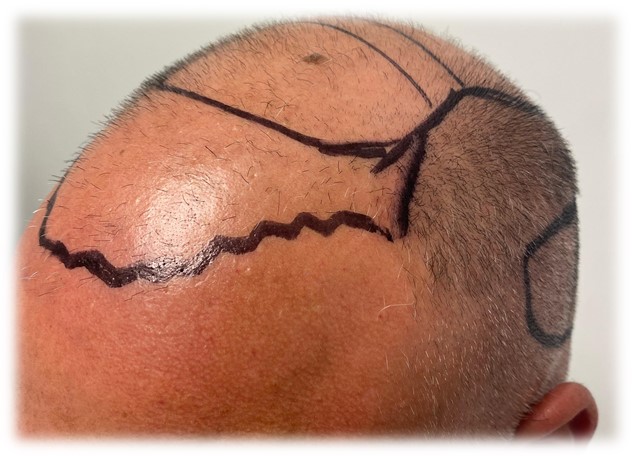
Customized Treatment
Board-certified surgeons with extensive experience in both European and Middle Eastern hair types and techniques
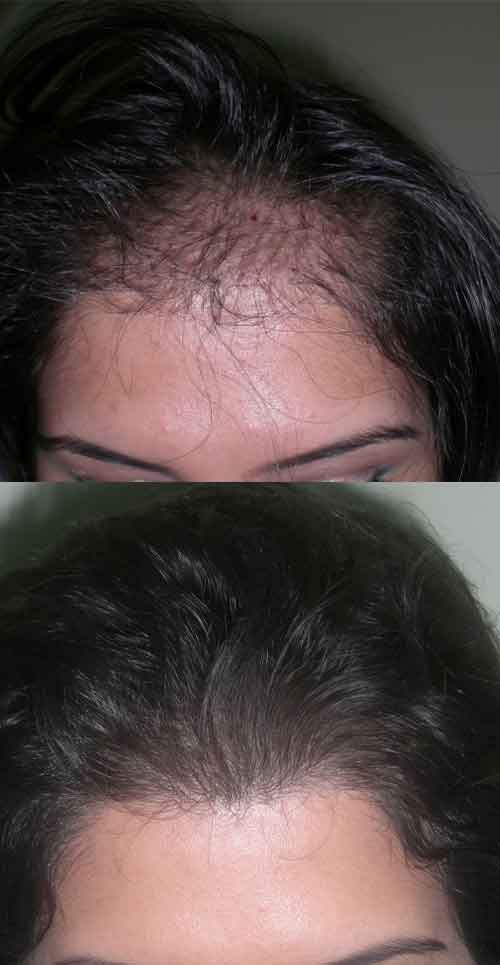
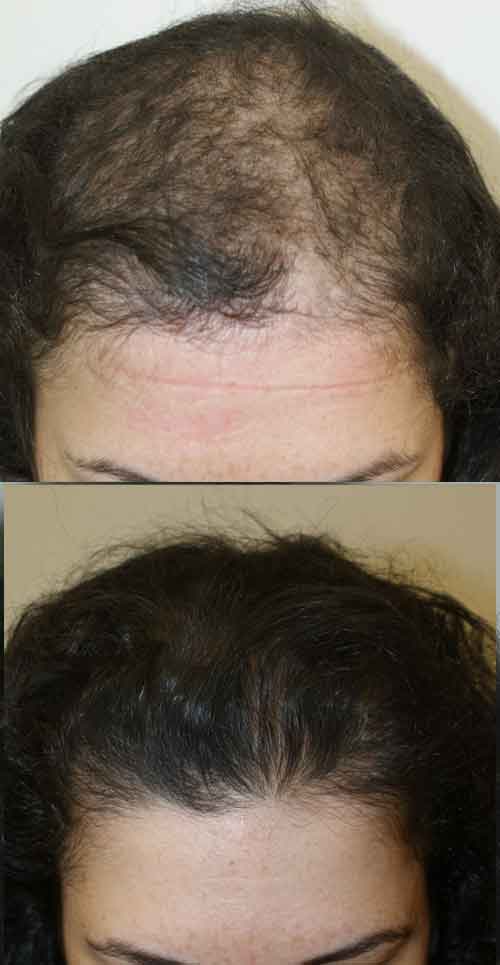
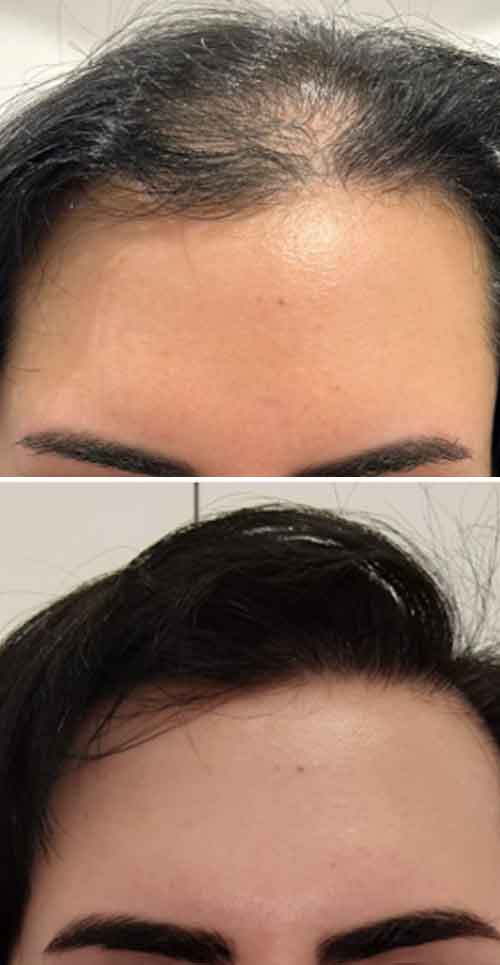
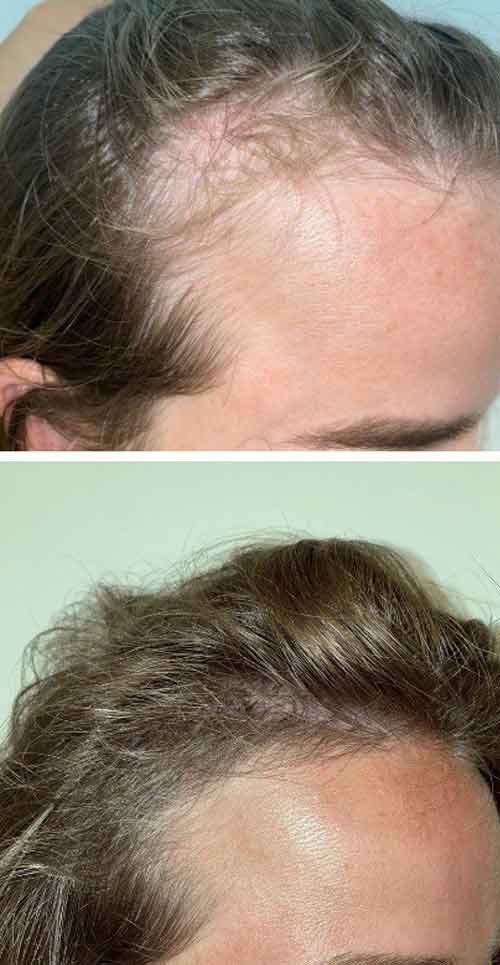
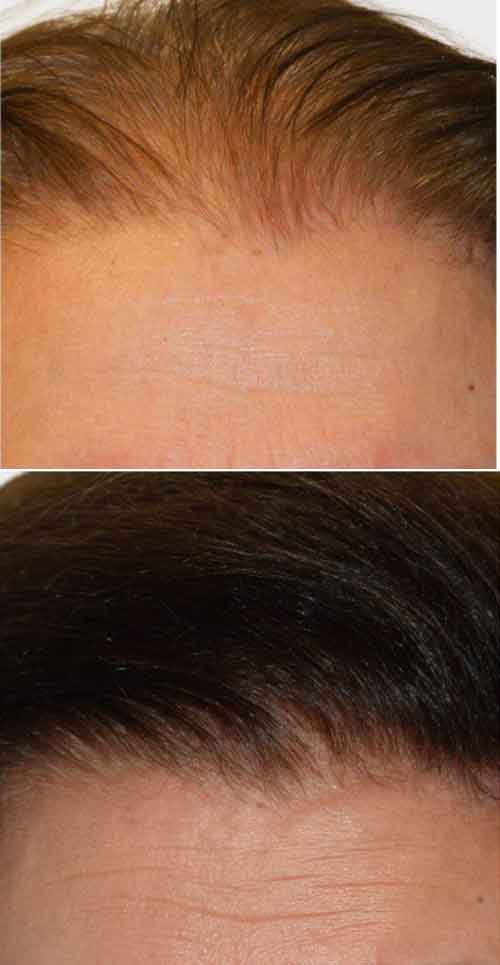
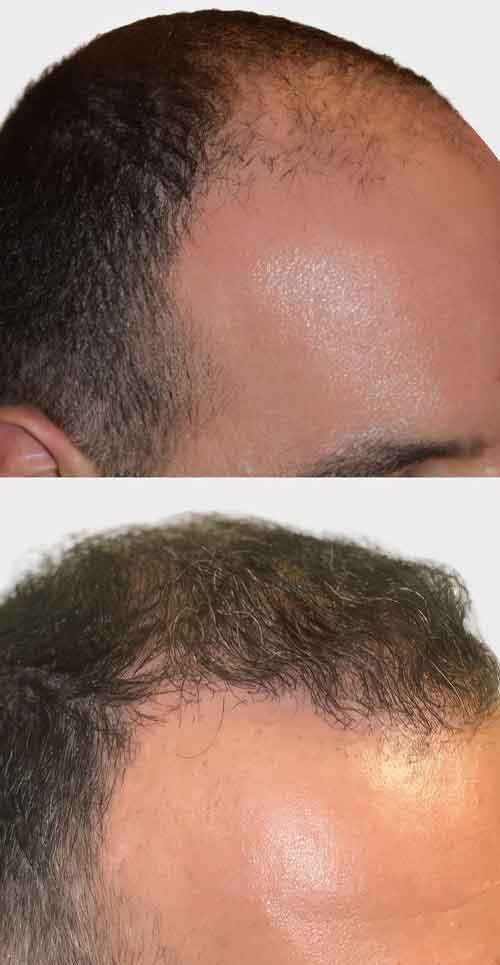
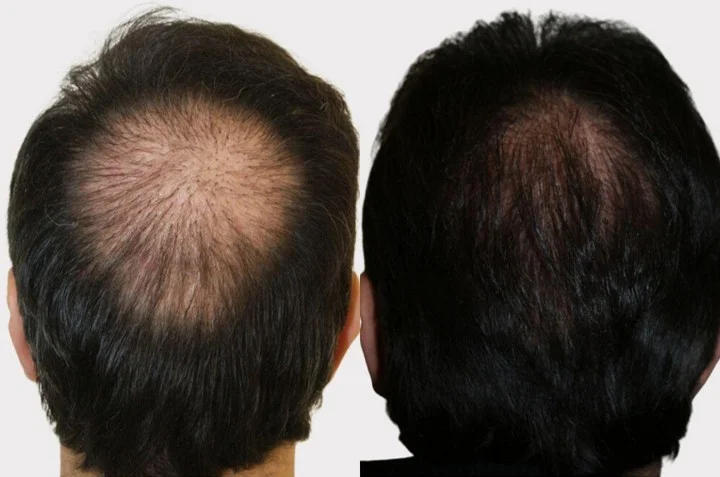
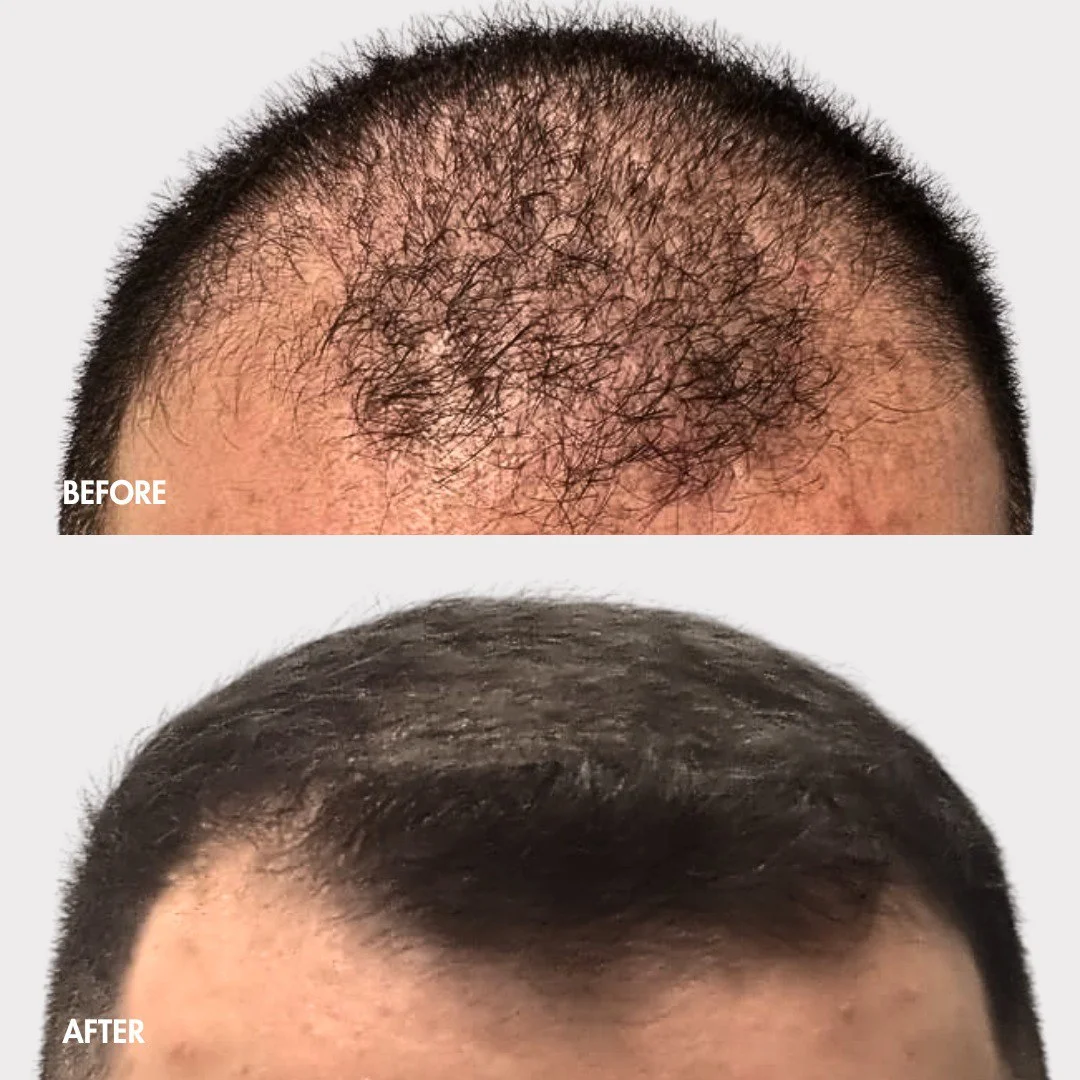
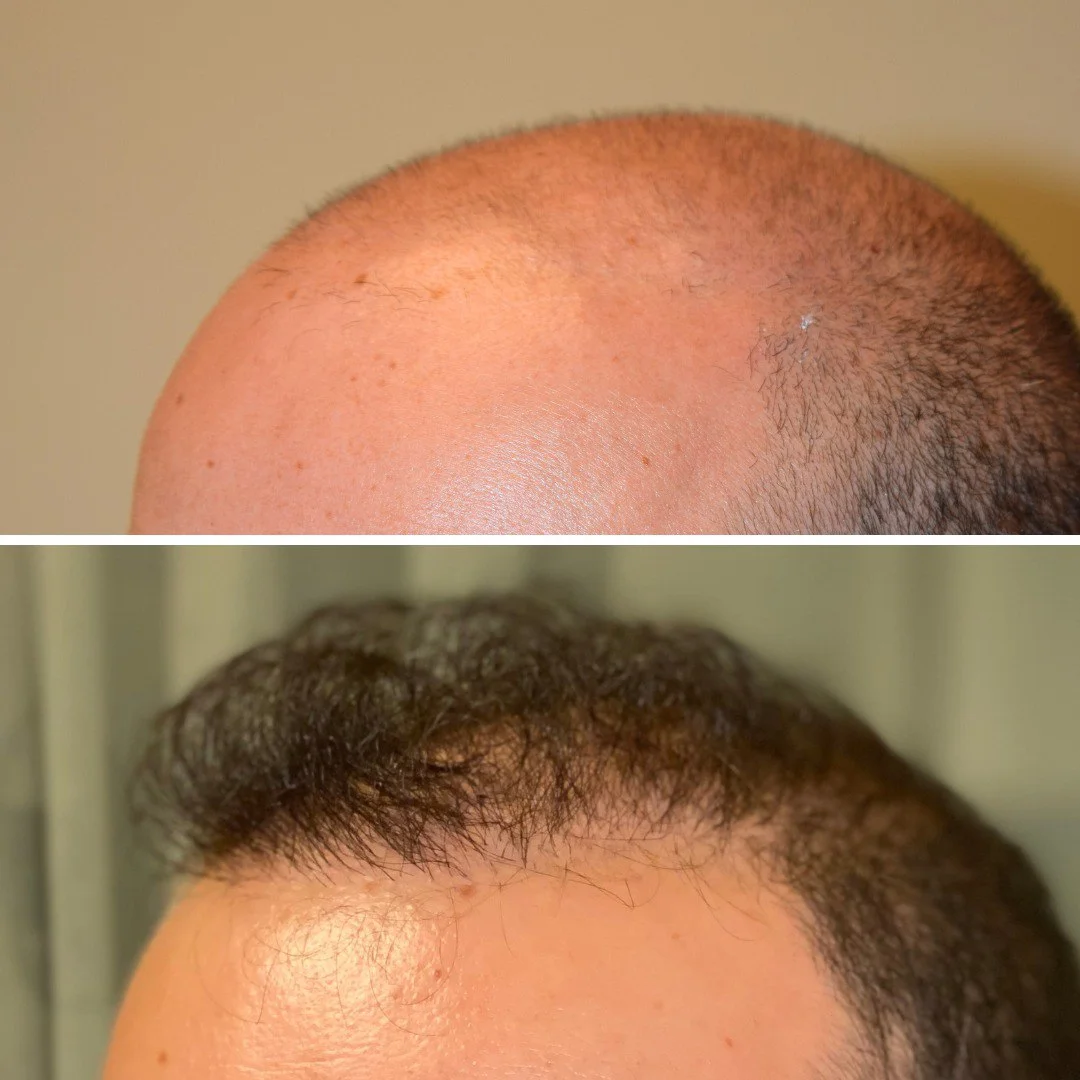
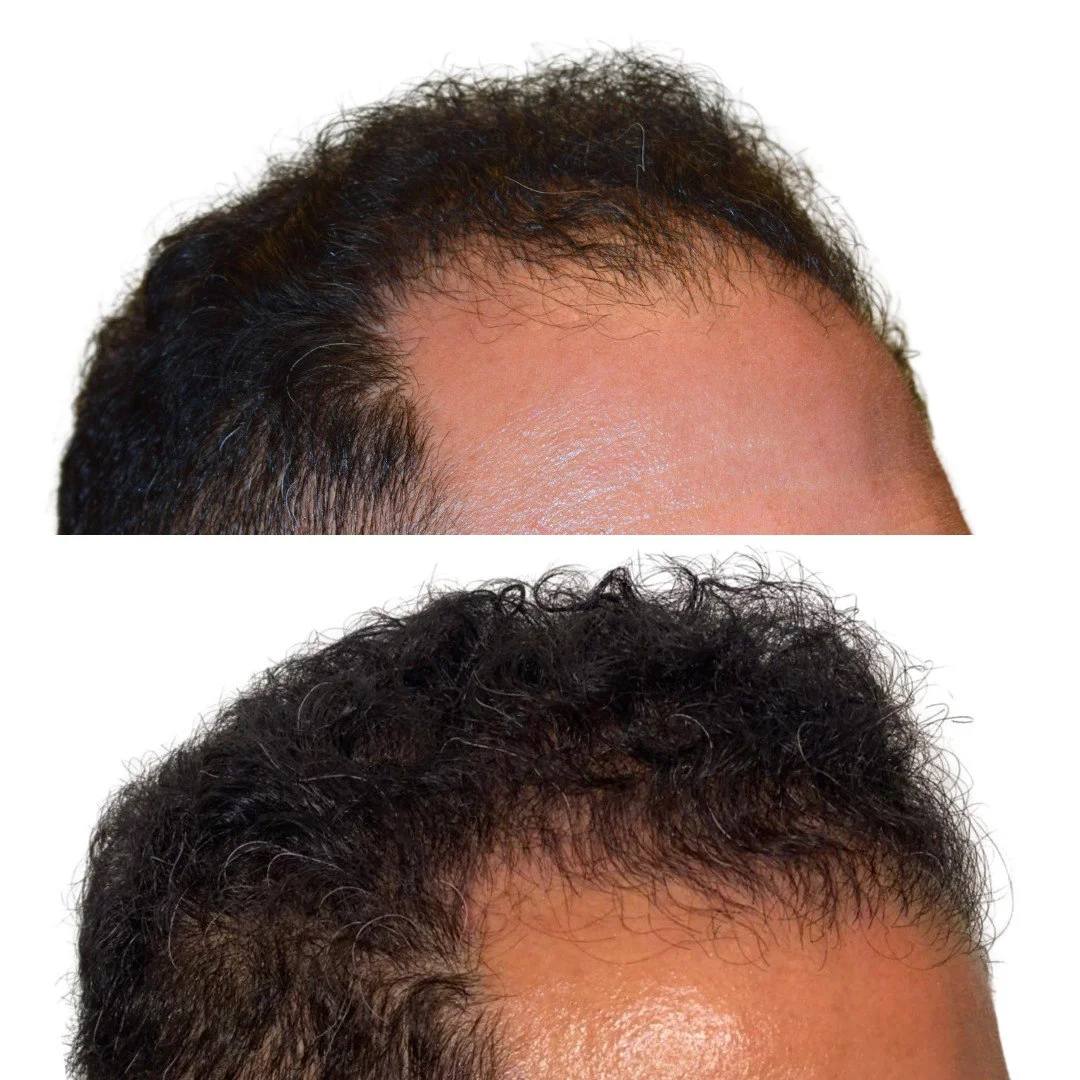
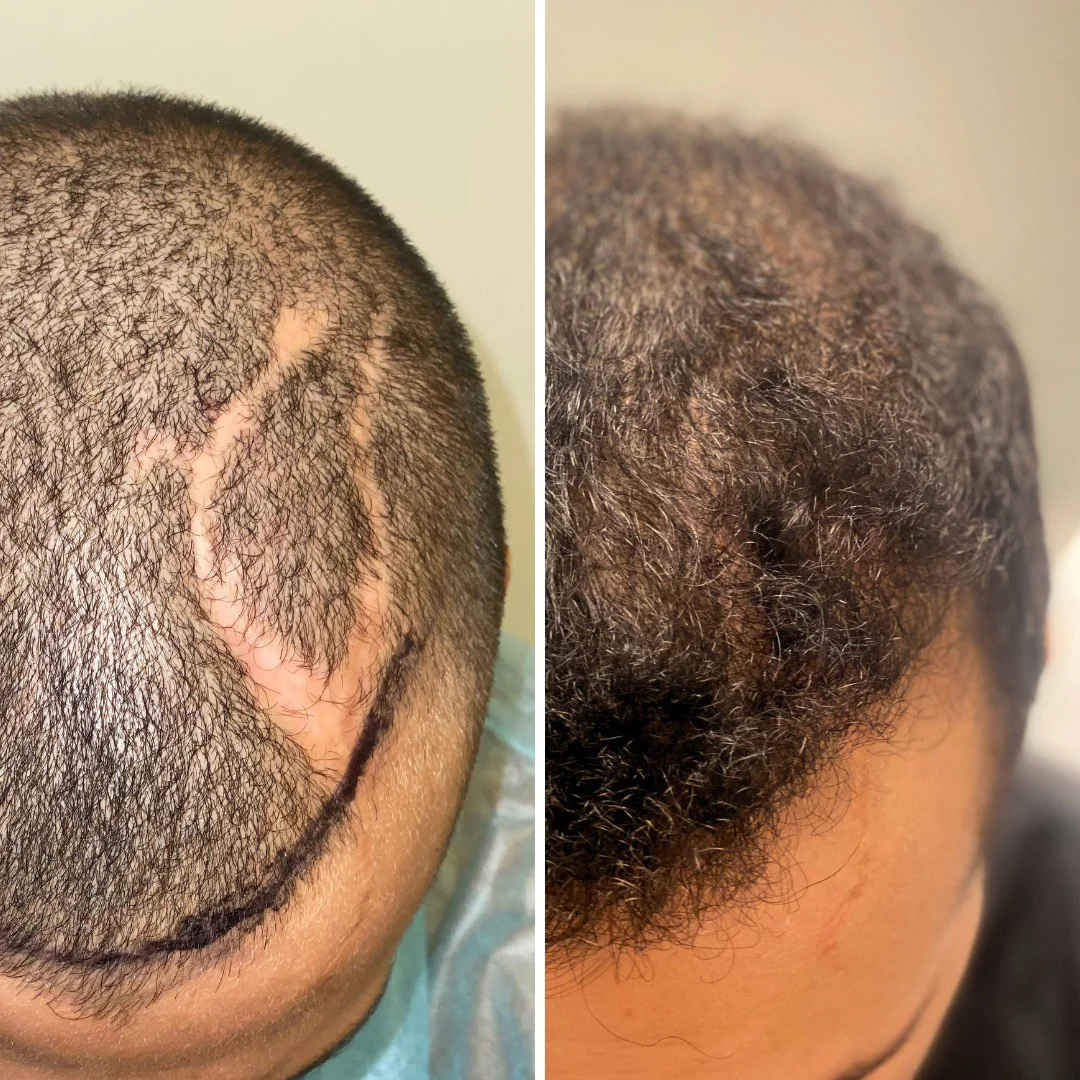
Gallery
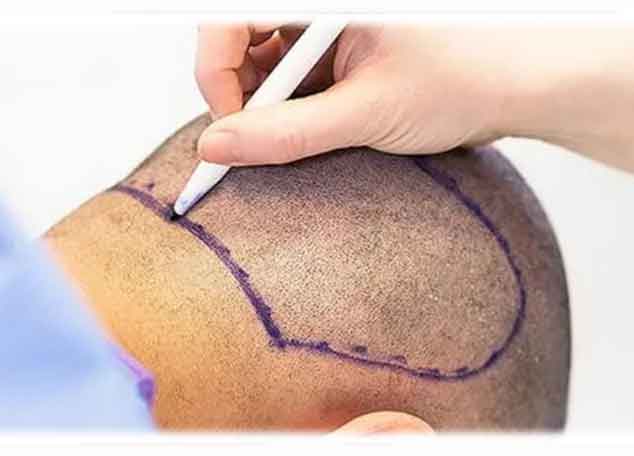
Quality Assurance
JCI-accredited facility with a proven track record of successful procedures and patient satisfaction
Process

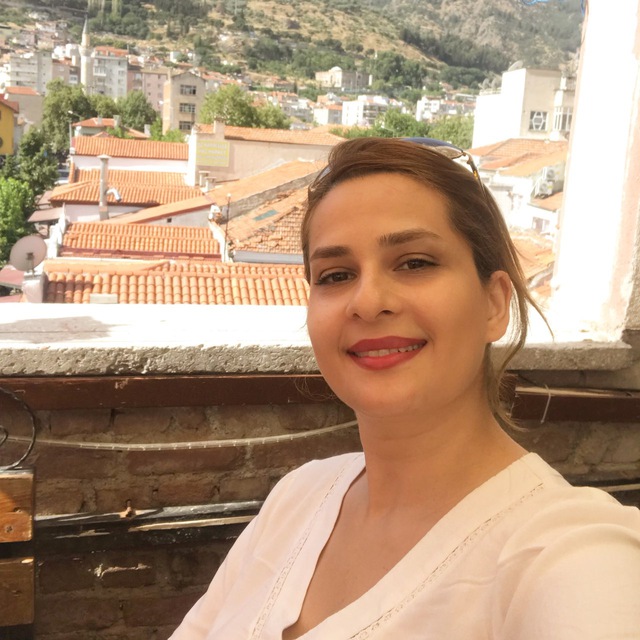
I recently had my hair transplant procedure done at Skin Experts Clinic in Dubai and I couldn't be happier with the results. The medical team was professional from the initial consultation all the way through to the follow-up care. Dr. dany took time to explain the entire procedure, set realistic expectations, and answered all my questions patiently. The facility was immaculately clean and equipped with modern technology. The procedure itself was much less uncomfortable than I expected, and the staff made sure I was comfortable throughout. It's been three months since my procedure, and I'm already seeing impressive hair growth. Highly recommend to anyone considering a hair transplant in Dubai!

I recently had a hair transplant procedure at Experts Clinic in Dubai and I couldn't be more satisfied with the results! The medical team was highly professional and took the time to explain every step of the process. My hairline looks completely natural, and the recovery was much smoother than I expected. The clinic's facilities are state-of-the-art, and the staff made me feel comfortable throughout my entire stay. Highly recommend to anyone considering hair restoration in Dubai.

After much research, I chose Skin Expert Clinic Dubai for my hair transplant, and I'm completely satisfied with my choice. Modern techniques, advanced equipment, and a specialized team - everything was top-notch. The pain and discomfort were much less than I expected, and the recovery period was quick. I definitely recommend this clinic to my friends.
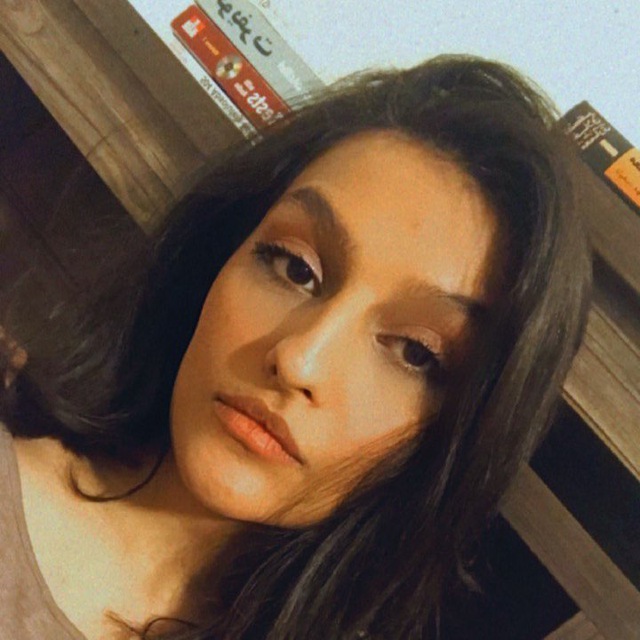
After researching several clinics in Dubai for my hair transplant, I chose Skin Experts Clinic and it was definitely the right decision. From the moment I walked in, I felt I was in good hands. The consultation was thorough and informative, with no pressure tactics. The day of the procedure went smoothly - the team was efficient and caring, explaining each step as they went. Post-procedure care instructions were clear, and the clinic followed up with me regularly to check on my recovery. Six months later, the results are better than I expected. Worth every dirham spent. Thank you to the entire team at Skin Experts Clinic!

Five stars for Skin Expert Clinic Dubai! My hair transplant was done with the highest quality and minimal discomfort. The staff was very professional and responsive. The post-operative care was comprehensive, and I'm already seeing amazing results. Thank you to the entire team!
My hair transplant at Skin Expert Clinic was an unparalleled experience. I felt confident and at ease from the beginning. The highly skilled doctors performed the procedure, and the results are incredible. The hairline looks completely natural, and the density is excellent. The costs were also fair and appropriate for the quality of service.
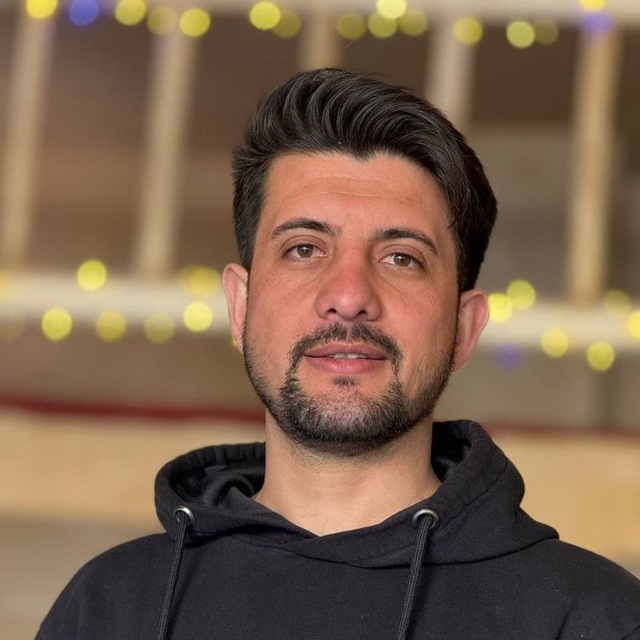
I couldn't be happier with my hair transplant results from Skin Expert Clinic Dubai. The procedure was explained thoroughly, performed with precision, and the aftercare support was outstanding. The clinic's state-of-the-art facilities and professional environment made the experience much less stressful than I anticipated.
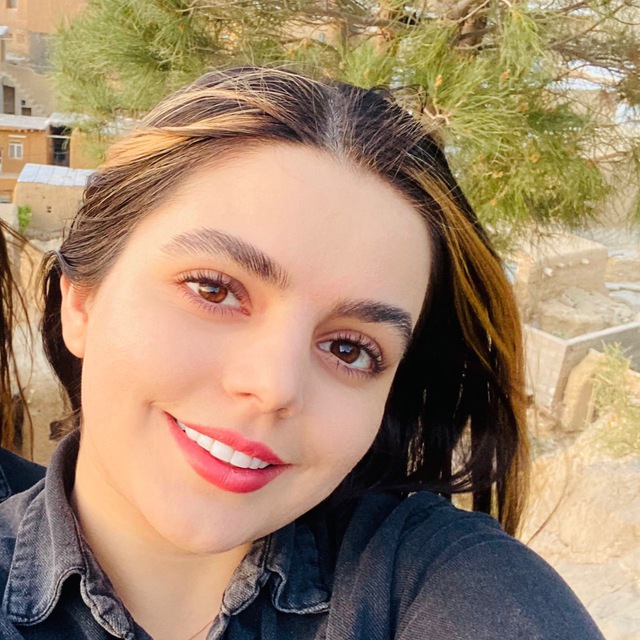
I traveled from Turkey specifically for a hair transplant at Skin Experts Clinic Dubai, and it was worth the journey. Their international patient coordinator made all the arrangements seamless. The clinic exceeded my expectations in terms of professionalism and care. The procedure was explained in detail, and I appreciated their honest assessment of what results I could realistically achieve. The transplant itself was virtually painless, and the recovery has been smooth. Now, 5 months later, I'm seeing fantastic results - natural-looking hairline and good density. I've already recommended Skin Experts to several friends. First-class experience from start to finish.
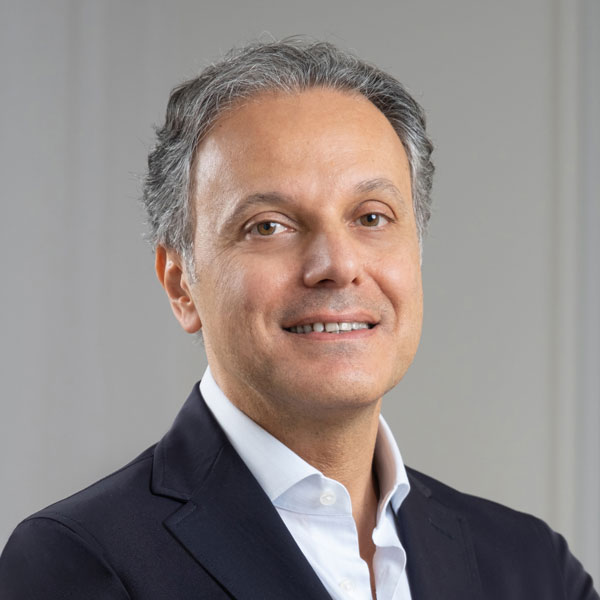
Dr. Dany Touma
Lead Dermatologist
Dr. Zainab Ghanouge
Dermatologist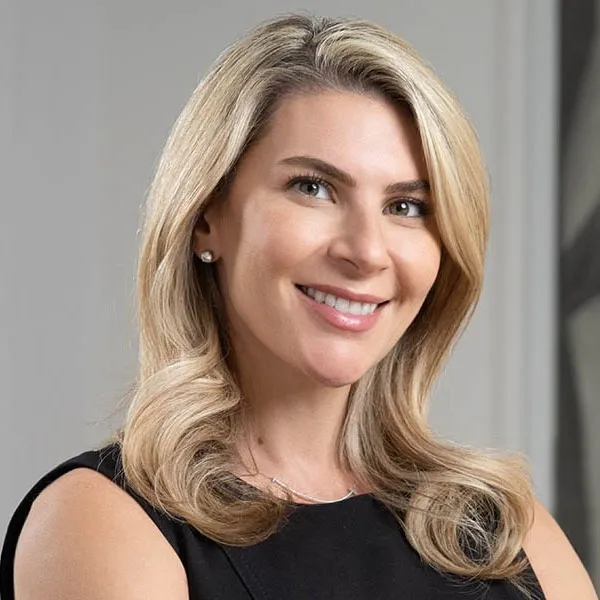
Dr. Lana Kashlan
Dermatologist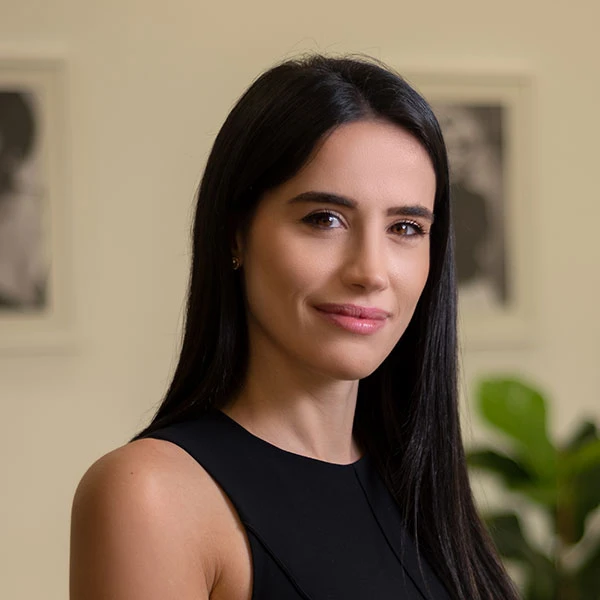
Dr. Samar Khalil
Dermatologist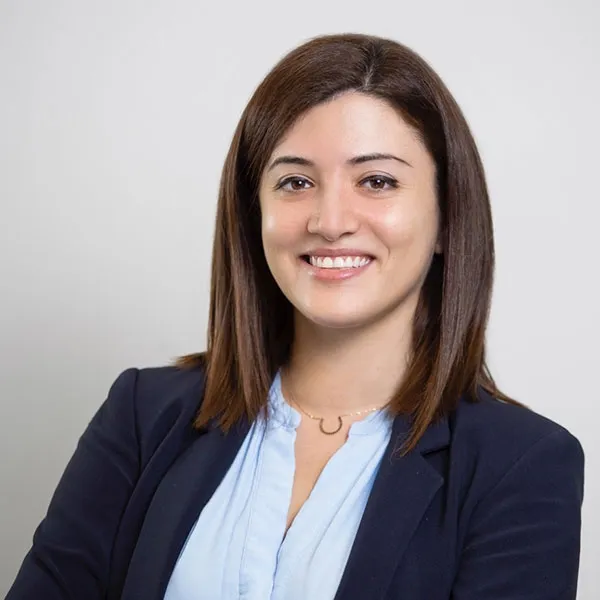
Dr. Jihane Abou Rahal
Dermatologist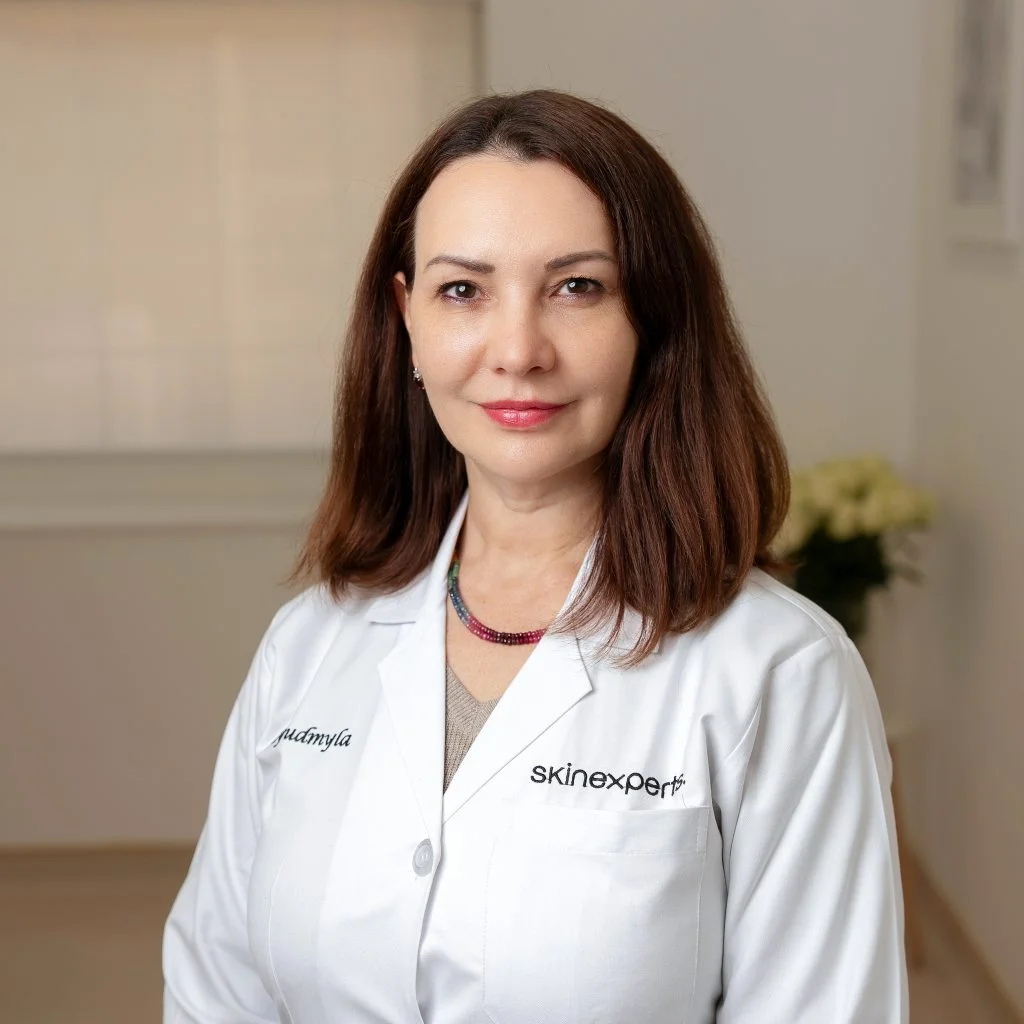
Lyudmyla Shyshmarova
Laser Technician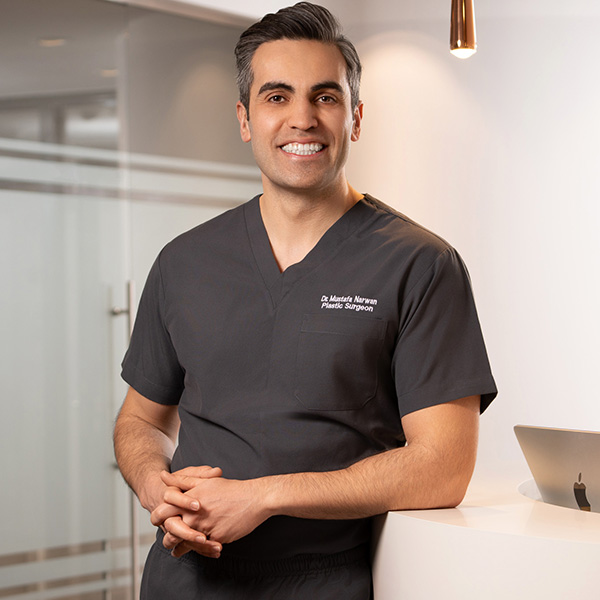
Dr. Mustafa Narwan
Plastic and Aesthetic Surgeon
Dr. Dora Evangelidou
Plastic and Reconstructive Surgeon
Dr. Leandro Pellarin
Plastic and Reconstructive Surgeon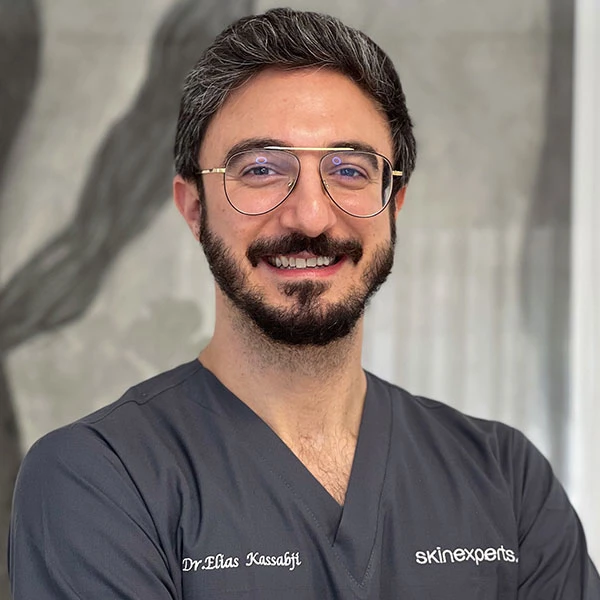
Dr. Elias Kassabji
Dentist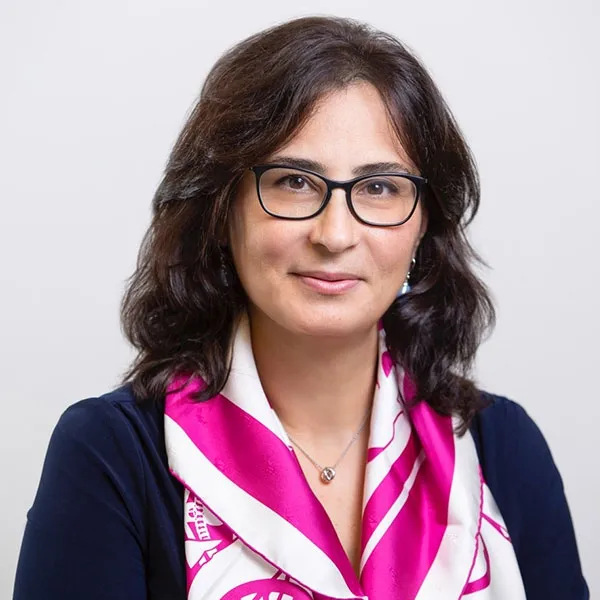
Dr. Nada Bou Abboud Naaman
Dermatologist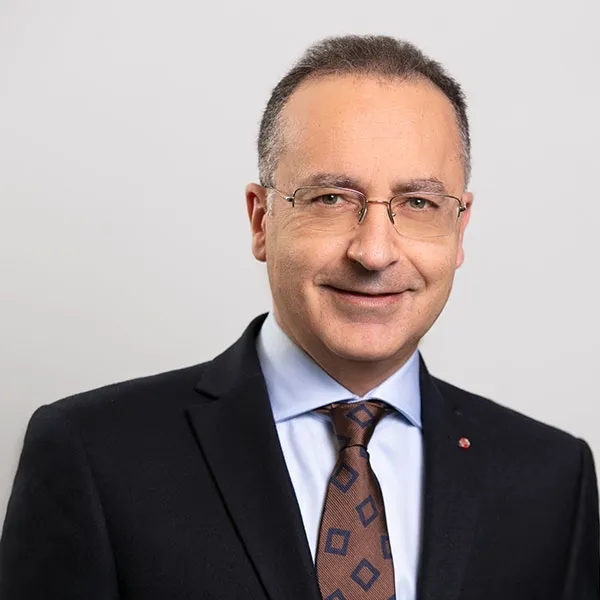
Dr. Alfred Naaman
Endodontist
Dr. Layal Ksaybi
General Dentist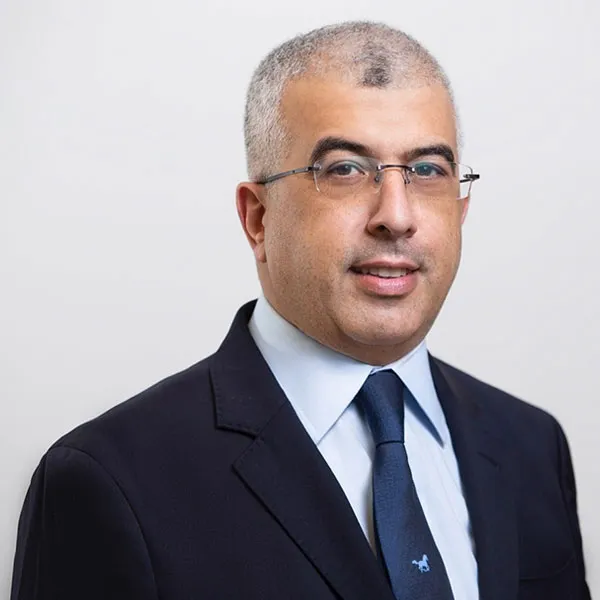
Dr. Karim Corbani
Dentist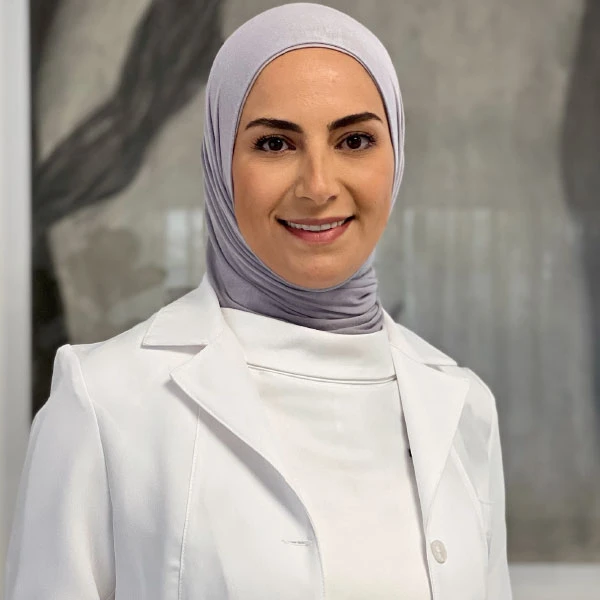
Fatima Kamal Eddine
Clinical Dietitian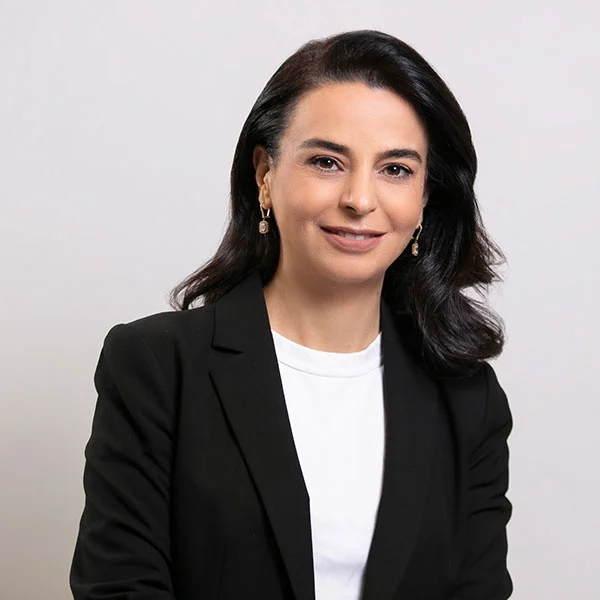
Mireille Corbani
Dietitian